07 March – 31 May 2026
KARLOS GIL: THE CENTRE CANNOT HOLD
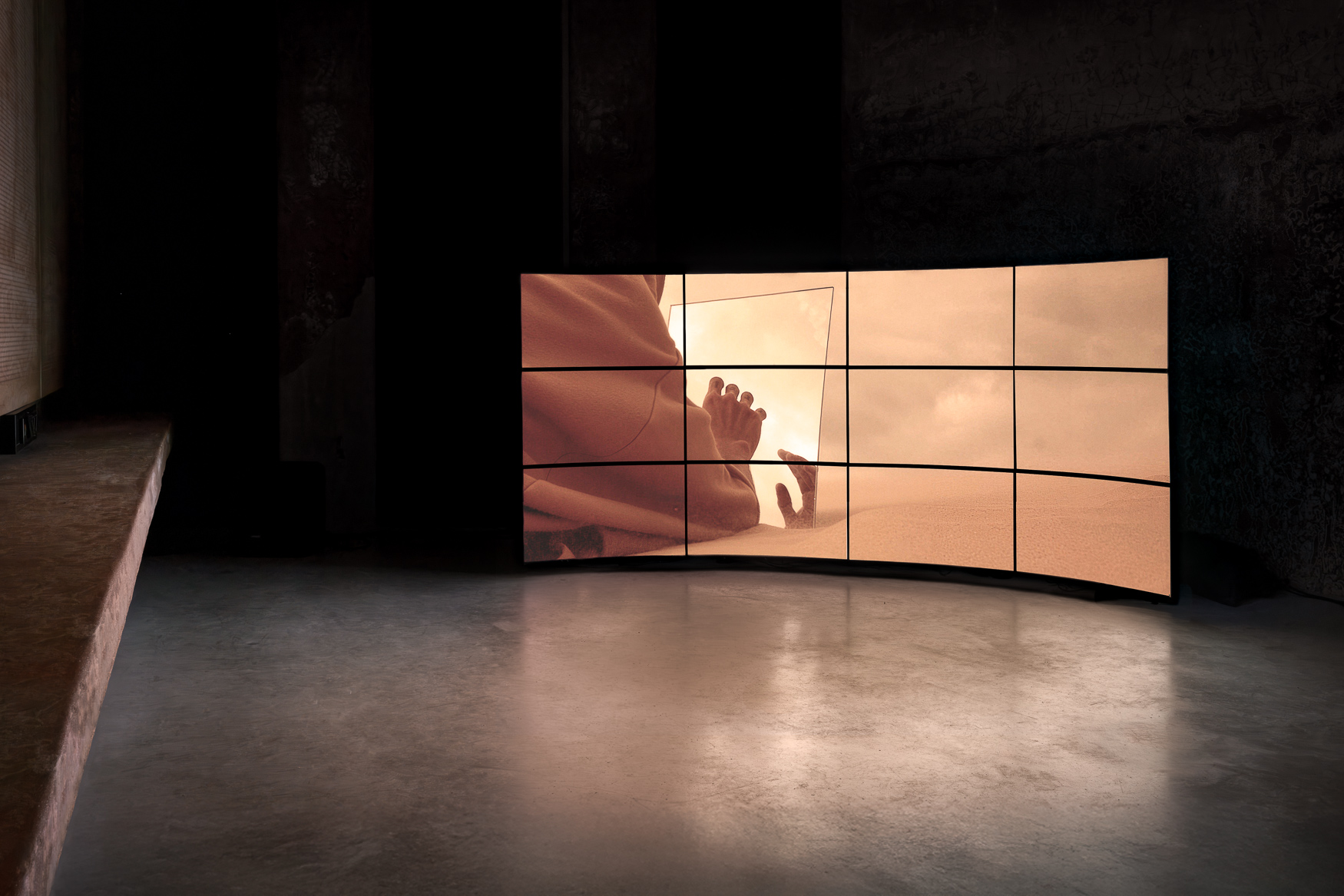
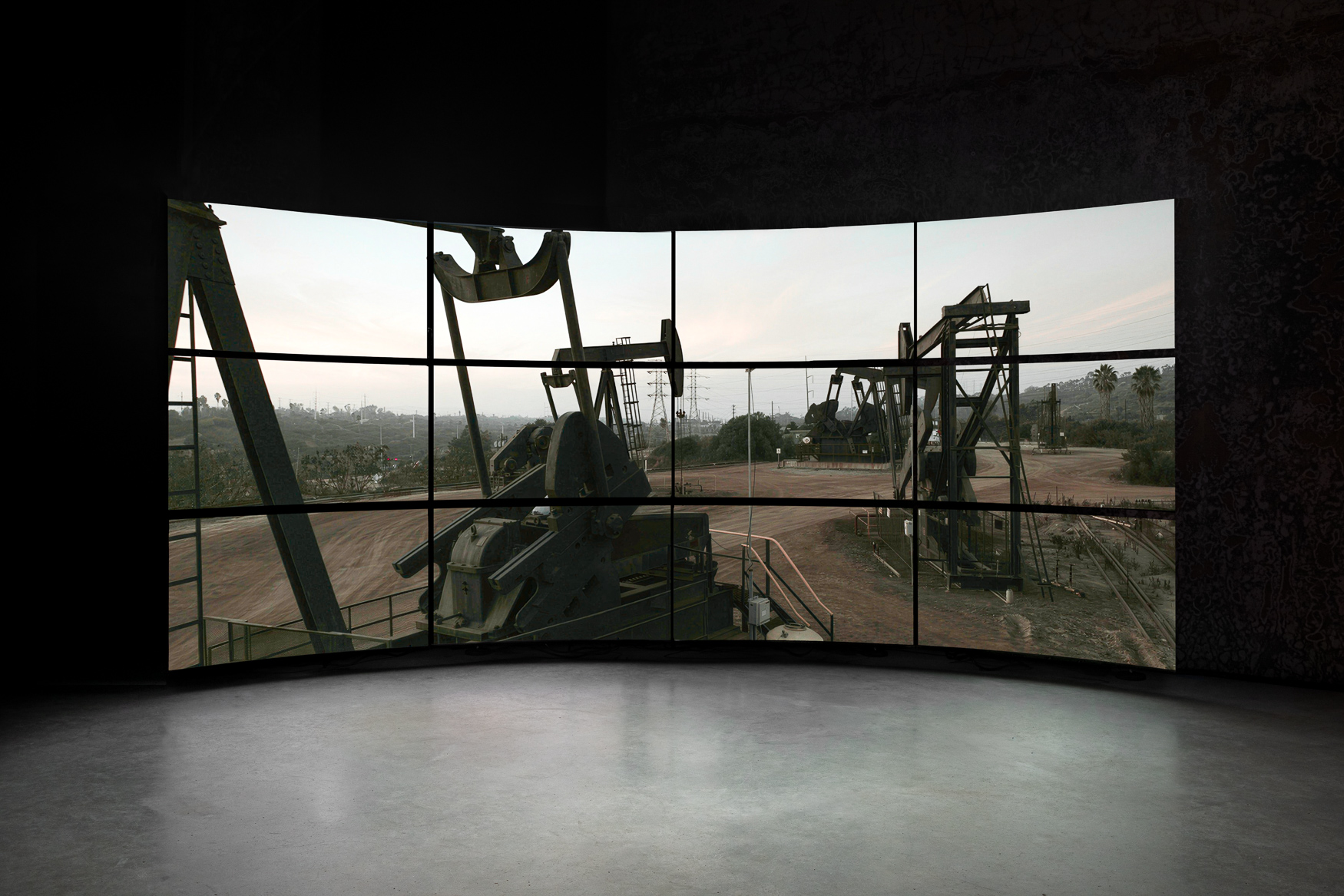
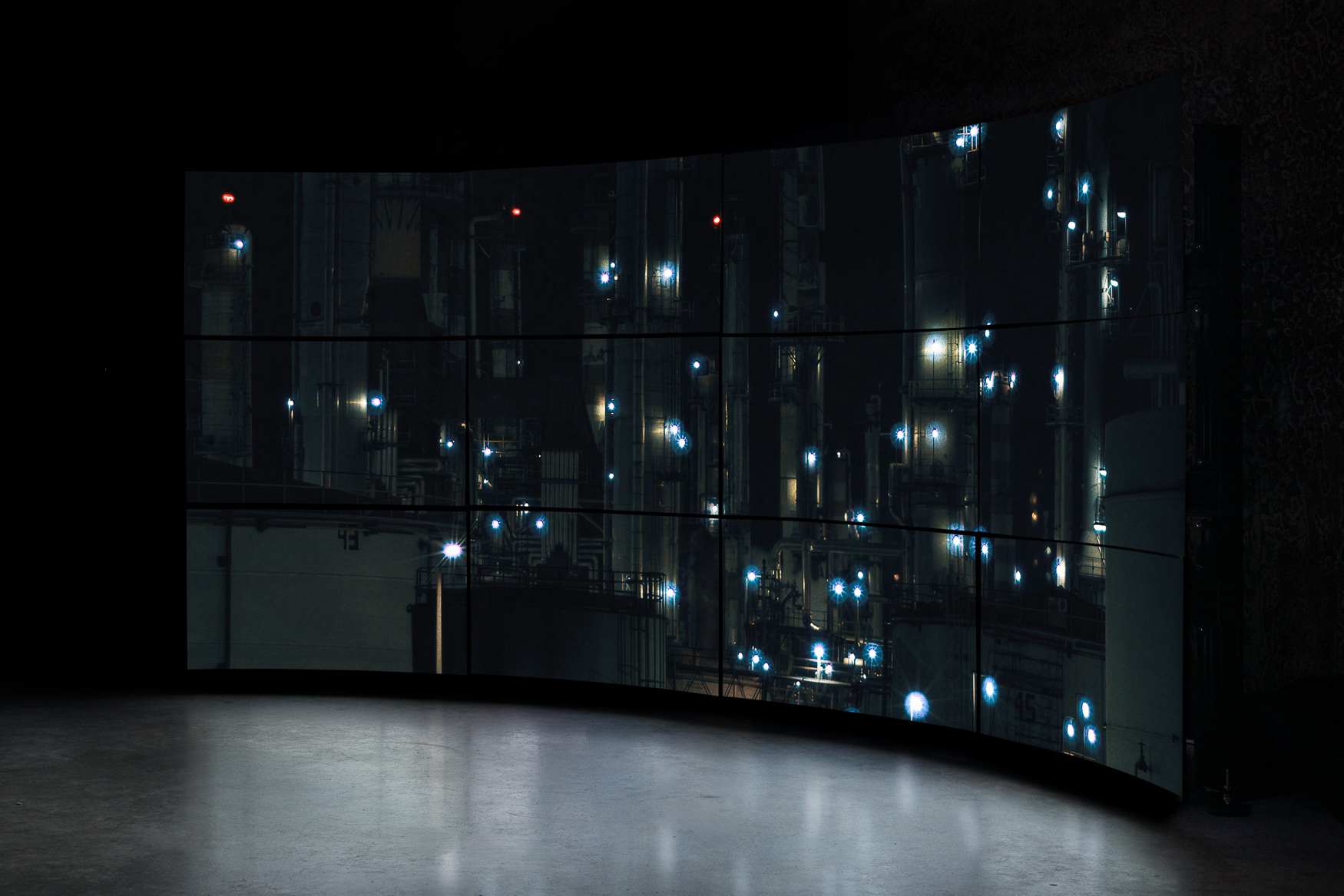
RADIUS presents a solo exhibition by Karlos Gil revolving around the premiere of his latest film, THE CENTRE CANNOT HOLD. A journey through the geological and cosmic deep time of oil, THE CENTRE CANNOT HOLD is a captivating cinematographic journey whereby the planet is a surface relentlessly perforated for the extraction of fossil fuels. The film travels to different locations defined by extractivism: from Los Angeles to the United Arab Emirates, Kuwait to Oman, it transports us to otherworldly landscapes where geopolitical power is accumulated, concocted, and enacted. A hybrid between theoretical treatise, a documentary, a sci-fi film, geopolitical demonology, and esoteric archeology, THE CENTRE CANNOT HOLD is a meditation on the necrological worlding of modernity: extracting dead organic matter to transform it into an energetic and material commodity whilst bringing about the destruction of ecosystems, displacement of indigenous peoples, privatisation of natural resources, illness-bearing pollution, and rising planetary temperatures.
Despite the millions of years that took for oil and gas to form, and in spite of the negative ecological consequences, they are being extracted at breakneck speed to power economic growth and double down on a fossil fuel economy. This tension between deep time and acceleration defines a relationship with the planet based on non-reciprocal, damning, and megalomaniac enactments of dispossession, depletion, accumulation, and degradation. Fossil fuels exemplify a relationship with the Earth that succeeds centuries of privatisation of natural resources, subjugation of both human and nonhuman life, and never-ending new frontiers of wealth production. Oil is the narrator of planetary ecological breakdown. It lubricates the flow of power whilst decaying every thing it materially constitutes. Oil, in its manifold transformations and applications—fuel, military technology, clothing, pharmaceuticals, plastics, fertilisers, cosmetics, asphalt, solar panels, and so on—permeates in every nook and cranny of our sense of the world, the self, and collectivity. Fluid, opaque, and flammable: both shell and flesh of our materials and metaphors, oil is the substrate of capitalism’s own ecology of degradation and death.
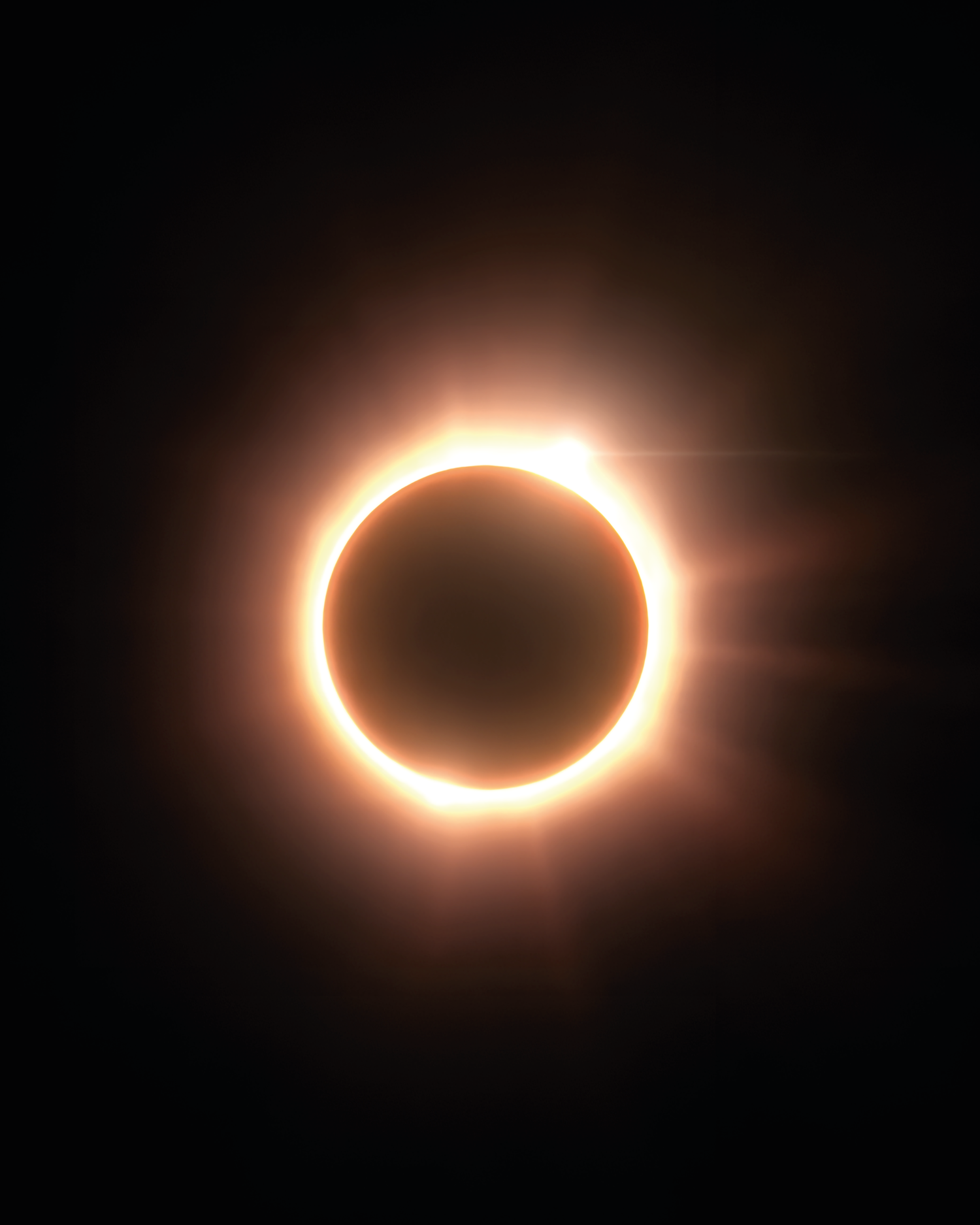
THE CENTRE CANNOT HOLD is a telluric meditation on what Reza Negarestani—whose book Cyclonopedia: Complicity with Anonymous Materials (2008) has greatly inspired the film—calls ungrounding: the process of degenerating a solid body—the Earth—by corrupting the coherency of its surfaces—oil drilling. From the esotericism of the desert to the constant puncture of the surface of Los Angeles; from the towering oil-fuelled skyscrapers of Abu Dhabi to the eclipsed sun over the Mauritanian desert, oil strings planetary narrations of collapse. Crude, slippery, and acrid: oil is the nonhuman enabler of the Anthropocene.
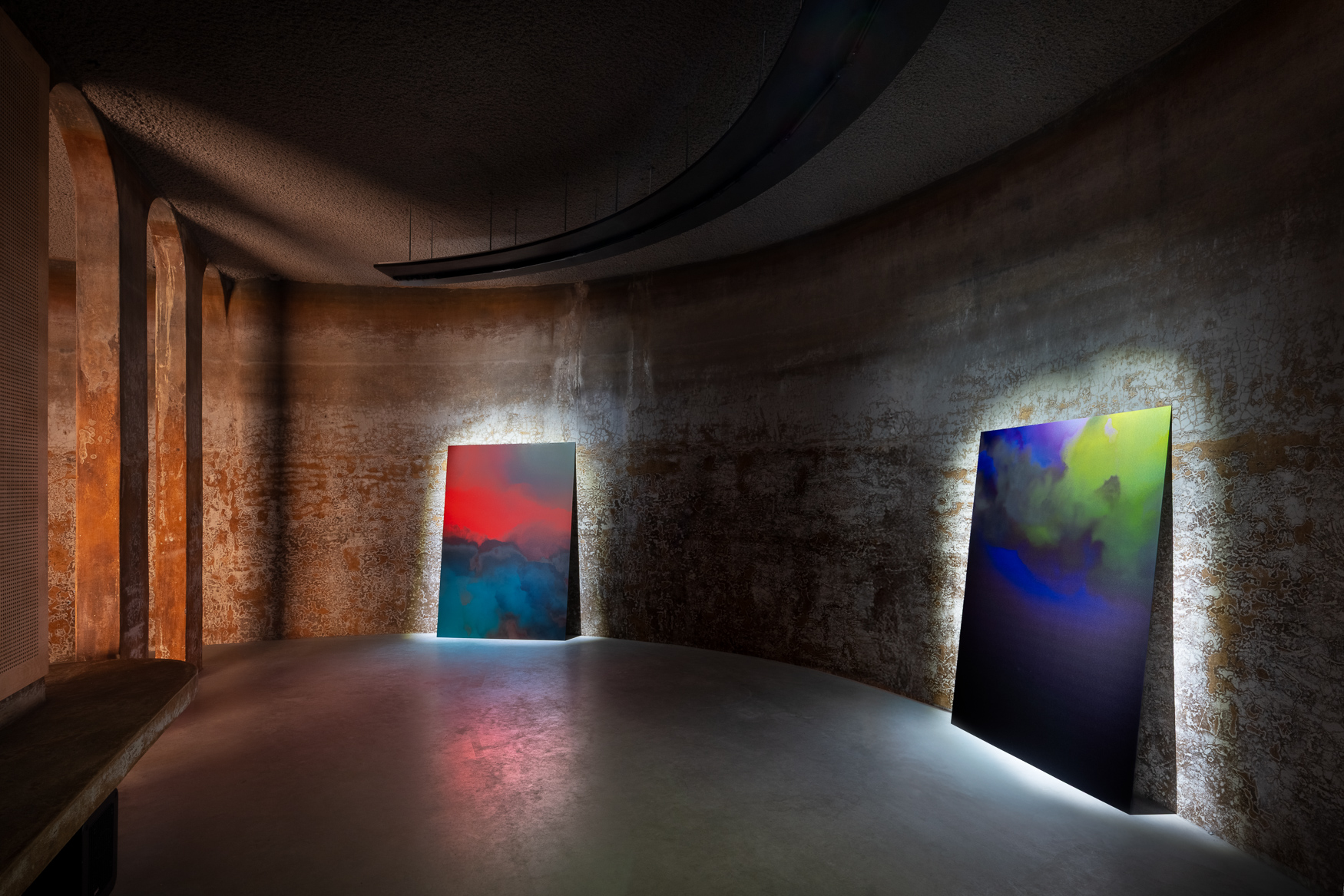
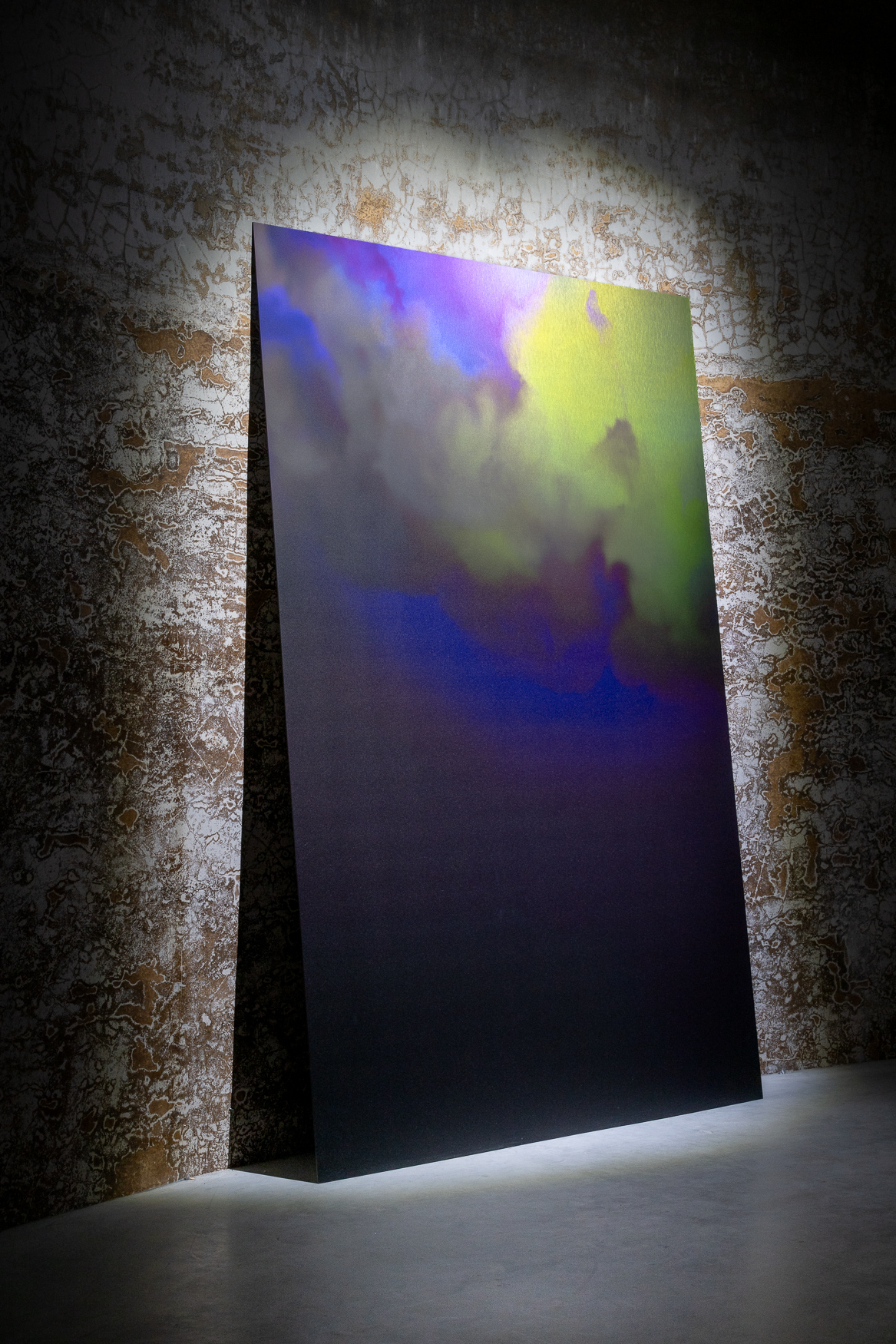
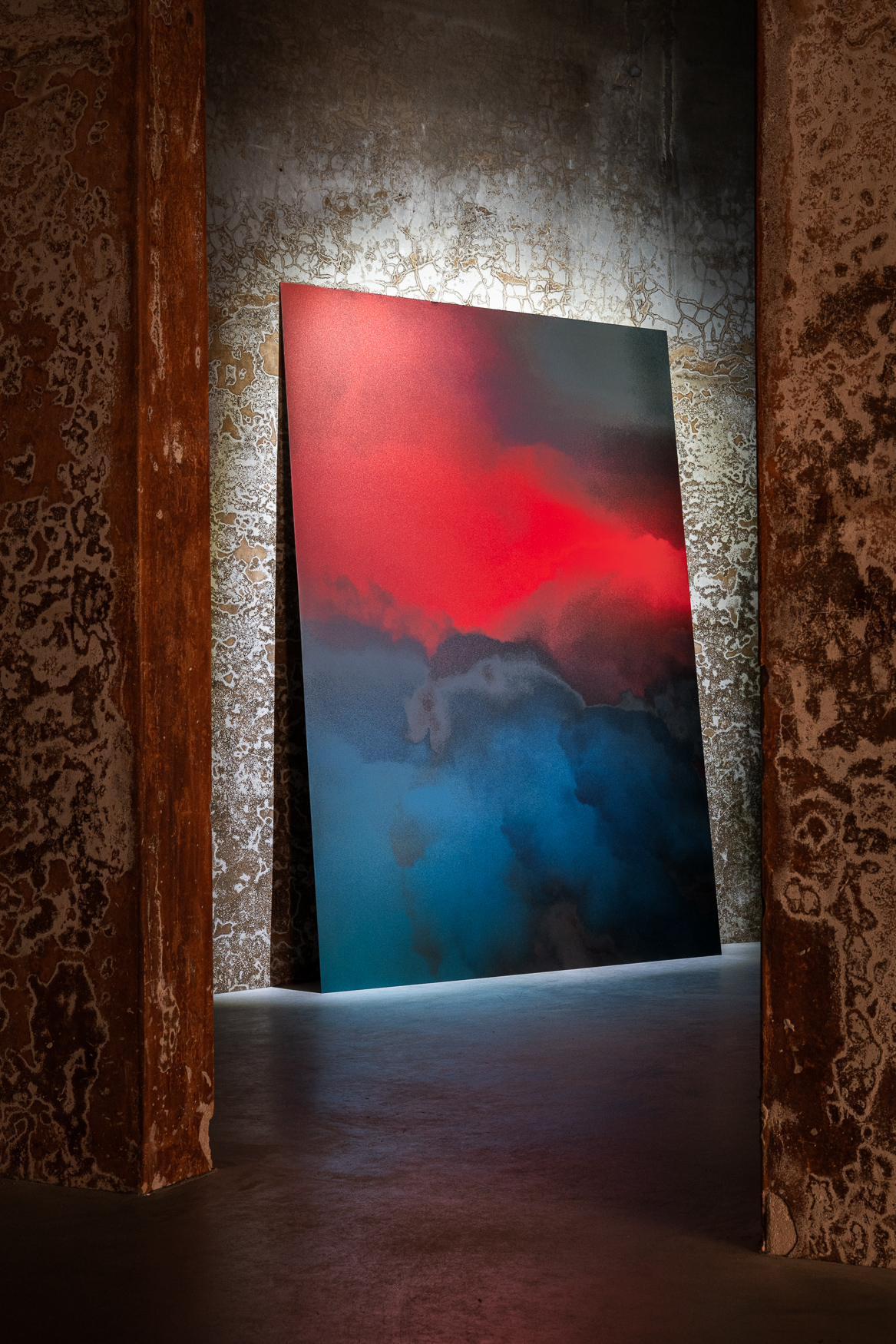
Furthering the journey to deep time and millenary geology, Gil also presents a series of heliographs belonging to the series Vortex (2025–ongoing). They consist of images of the interior of Icelandic hydrothermal volcanoes captured by means of heliography: an early photographic technique that uses sunlight exposure to capture images on a metallic sheet varnished with bitumen (a byproduct of oil). Deep in the Eyjafjörður fjord of Iceland, submarine volcanoes emit steam in a seascape hidden from human perception. Often located near tectonic plates, submarine volcanoes are geological witnesses that harbour extreme, dark ecosystems powered by chemosynthesis. Rising from the abyssal plains, the volcanoes are deep time formations from the roaring Earth crust. Despite the difficulty in approaching them, they are increasingly targeted for the exploitation of mineral resources, renewable geothermal energy, and scientific research. New frontiers for the energy sector and capitalism’s new commodities are being speculated on one of the oldest geological features on Earth. Treated with thermochromic patinas and printed on steel and copper plates, the heliographs are an alchemical feat: by means of sunlight, they imprint that which sunlight does not reach. Vortex captures the billowing smoke clusters from the volcanoes mixed with colours produced by the lightwave differences in the Icelandic sky. Arresting and cryptic, Vortex approximates us to an aesthetic of deep time.
In his practice, Karlos Gil explores ideas of nature and its transformation over deep geological time to explore the “otherness” of our surrounding world. His practice examines the complex and often contradictory ways in which human beings relate with the natural world, layering his artworks with encrypted stories from science fiction, occultism, underground culture, nihilism, mythology and industrial evolution. Reflecting on a manifest impression of the “fall of time”, decadence, ruin, and obsolescence, Gil proposes viewpoints from which to affectively apprehend the progressive decadence that is exacerbating ecological collapse for the sake of capitalism’s continuity.
Travelling through landscapes of energy production, desertification, cosmic genesis, and ecological exhaustion, this exhibition beckons a sentient geological relationship to the world and an emotional contestation to the irreversible planetary configurations that extractivism is spearheading.
Curated by Sergi Pera Rusca.
The RADIUS 2026 year-programme YOU AND I ARE EARTH, of which this exhibition is a part, has been made possible with support from the Mondriaan Fund, the Municipality of Delft, BNG Cultuurfonds, and the Van der Mandele Stichting. This exhibition is additionally supported by the Embassy of Spain in the Netherlands and the Spanish Agency for International Development Cooperation (AECID), and Acción Cultural Española (AC/E). We thank them kindly for their support!